Ready for
the next era
of commerce.
An educational technical guide explaining how e-commerce brands and agencies optimize structured data, entity graphs, Merchant feeds, AI crawler permissions, and performance for AI-powered search engines.
Make your products understandable to search engines and AI systems. Start with the data underneath.
Connected entities, accurate product identifiers, synchronized feeds, and crawl access. An educational technical guide explaining how e-commerce brands and agencies optimize structured data, entity graphs, Merchant feeds, AI crawler permissions, and performance for AI-powered search engines.
Read more +
An educational technical guide explaining how e-commerce brands and agencies optimize structured data, entity graphs, Merchant feeds, AI crawler permissions, and performance for AI-powered search engines.
From knowledge to implementation
Connected entities, accurate product identifiers, synchronized feeds, and crawl access.
Structure →Let’s talk about
your project
Book a free technical discovery call with our team.
Choose a time on Calendly ↗info@zestwebsolutions.com LET’S COLLABORATE
Technical discovery call
Share your goals and technical requirements. Discuss scope, priorities, and the right delivery model.
- Your project and business goals
- Technical requirements and timeline
- Scope, delivery, and next steps
A clear path from
knowledge to implementation
Entity graphs
⊕Product data
⊕Crawler access
⊕Business goals
⊕Technical requirements
⊕Priorities & scope
⊕Architecture review
⊕Implementation planning
⊕Code-level changes
⊕Performance budgets
⊕Structured documentation
⊕Peer review
⊕Functional verification
⊕Responsive checks
⊕Search validation
⊕Performance review
⊕Release documentation
⊕Ongoing monitoring
⊕Human judgment.
Machine-readable foundations.
Tools and checklists support the work. Senior engineers stay responsible for architecture, implementation, and validation.
Your team
Set business goals and priorities
Share context and platform constraints
Review milestones and decisions
Own the client relationship
Choose the next step
Zest engineering team
Investigate technical root causes
Define architecture and implementation
Validate performance and search integrity
Document work and handoffs
Support ongoing technical delivery
Zest Web SolutionsEngineering teamClear architecture. Measurable performance.
People who take responsibility for the result.
Explore the core topics
Connected JSON-LD graphs
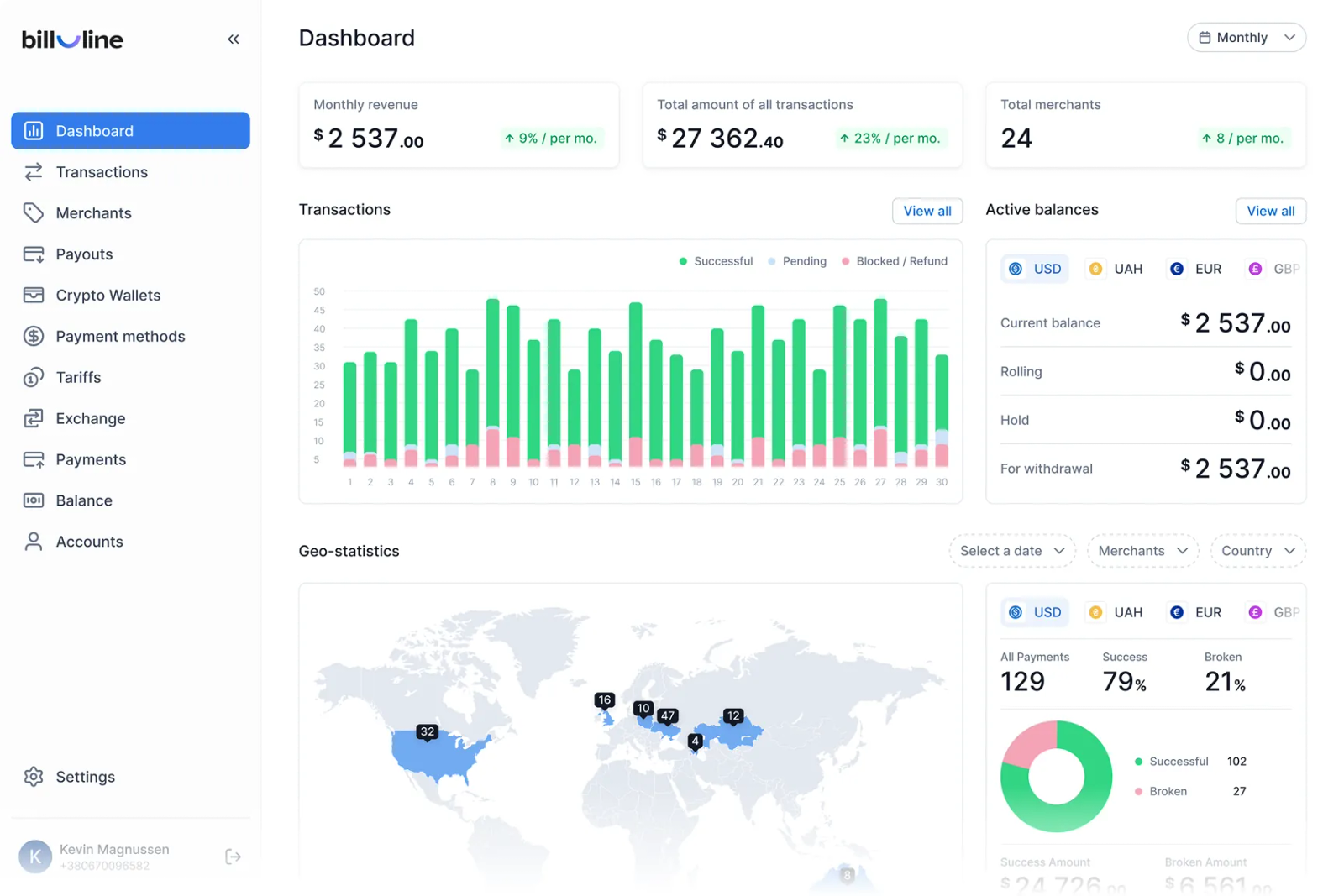
Connected entities, accurate product identifiers, synchronized feeds, and crawl access.
Explore this topicProduct data & identifiers
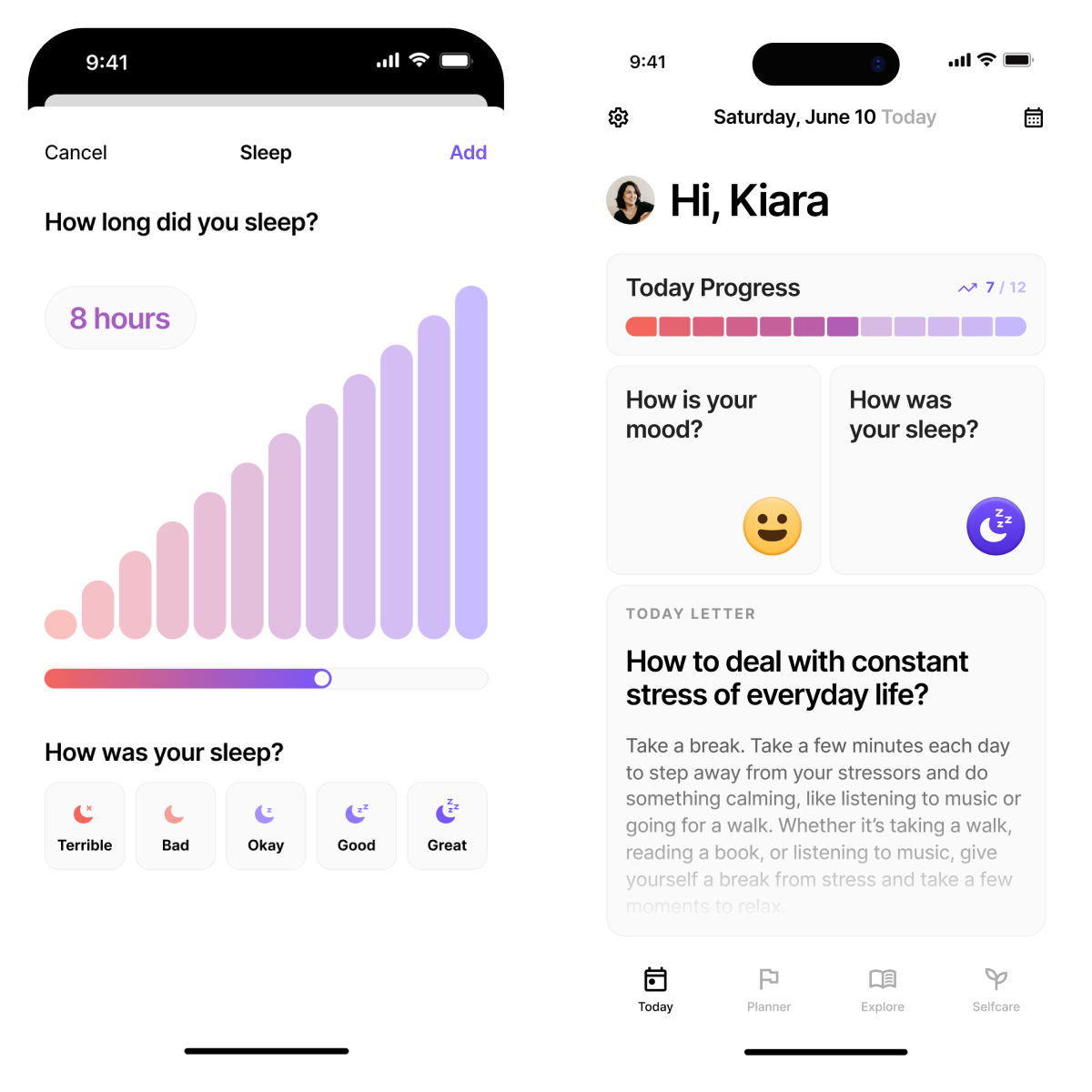
Practical implementation guidance, with clear standards and validation steps.
Explore this topicAI crawler permissions
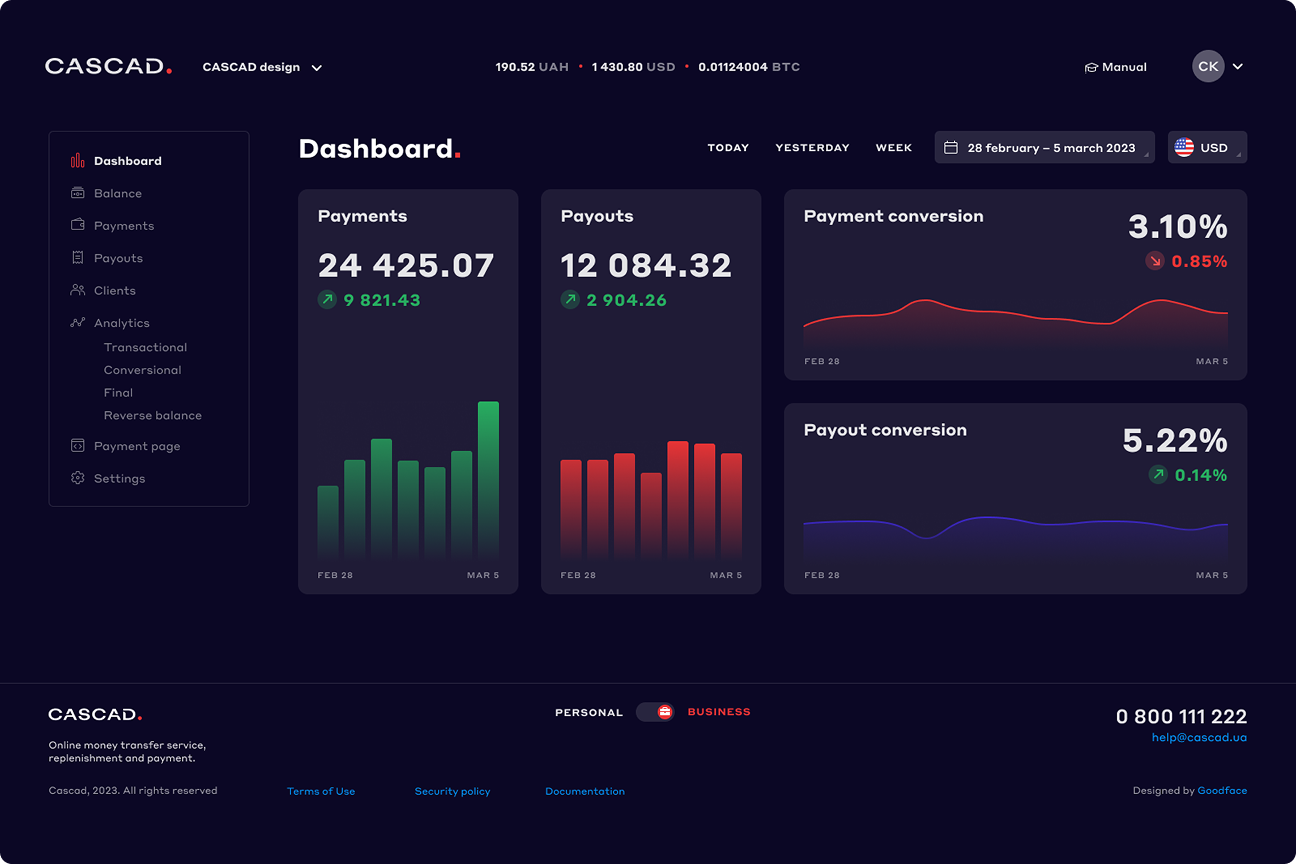
Connect technical decisions to performance, maintainability, and your business goals.
Explore this topicExplore the complete
framework.
Overview & key takeaways+
Section 01
Architectural Overview: The Shift to AI-Driven Commerce+
Traditional e-commerce search engines rely primarily on keyword density, backlink graphs, and page-level HTML indexing to rank product pages. In contrast, modern AI search engines—including Perplexity, ChatGPT Search, Google AI Overviews, and Claude—operate as conversational retrieval and reasoning engines.
When a consumer asks an AI shopping assistant: “Find me an eco-friendly leather weekend bag under $300 with sub-3-day shipping to Sydney,” the AI model does not return a page of ten blue links. It queries structured product databases, evaluates entity relationships, parses real-time Merchant feeds, and outputs a single direct recommendation.
Core Pillar of AI Commerce Readiness
To be accurately cited and recommended by LLMs, e-commerce storefronts must transition from unstructured HTML content to machine-readable entity graphs. At Zest Web Solutions, we embed AI Commerce Readiness directly into our custom Shopify development and technical SEO services, executed under our standardized Zest Engineering Method™.
Section 02
Key Technical Definitions for AI Citation+
Generative search engines extract structured factual definitions directly from standard `` definition lists to render concise AI Overview summaries.
Generative Engine Optimization (GEO)
The technical practice of structuring website content, entity schemas, and platform performance so Large Language Models (LLMs) and AI search engines can crawl, parse, and cite direct factual answers without copy rewriting.
AI Commerce Readiness
The technical benchmark an e-commerce website meets when its product data, connected @graph schema, GTIN identifiers, Merchant feeds, and Core Web Vitals enable 100% accurate real-time inventory and pricing extraction by conversational AI shopping assistants.
Connected @graph JSON-LD Schema
A single, unified JSON-LD array linking Organization, Brand, Product, Offer, and Author nodes via canonical @id URIs, eliminating AI model disambiguation errors and hallucination risks.
Entity Graph Resolution
The cross-referencing process where AI search models verify brand facts across trusted external registries (Clutch, Wikidata, LinkedIn, Google Knowledge Graph) mapped via schema sameAs declarations.
Section 03
Traditional E-Commerce SEO vs. Generative Engine Optimization (GEO)+
Understanding the architectural shift between legacy search engines and generative AI retrieval engines is critical for maintaining digital store visibility in 2026.
| Optimization Factor | Traditional E-Commerce SEO | Generative Engine Optimization (GEO) |
|---|---|---|
| Primary Target | Keyword rank algorithms & blue link SERPs | LLM citation, AI Overviews & Chatbot answers |
| Data Processing | HTML text parsing & keyword matching | Connected @graph entity resolution & JSON-LD |
| Product Verification | On-page H1/H2 text and metadata tags | GTIN-13/UPC barcodes & Google Merchant API feeds |
| Crawl Budget & Speed | Standard Desktop/Mobile Googlebot (LCP < 2.5s) | Real-time AI Crawlers (GPTBot, PerplexityBot) with LCP < 800ms |
| Authority Signal | Backlink quantity & Domain Authority (DA) | Cross-verified sameAs entity nodes & EEAT provenance |
| Framework SOP | Post-launch SEO plugin audits | Zest Engineering Method™ & Technical QA Framework |
Section 04
Connected JSON-LD @graph Schema for LLM Extraction+
Unconnected, isolated JSON-LD script blocks force AI search engine parsers to guess relationships between products, brands, and parent organizations. A connected @graph schema explicitly declares entity links inside a single JSON array using canonical @id pointers.
Production E-Commerce @graph JSON-LD Standard
{
  "@context": "https://schema.org",
  "@graph": [
    {
      "@type": "Organization",
      "@id": "https://zestwebsolutions.com/#organization",
      "name": "Zest Web Solutions",
      "url": "https://zestwebsolutions.com/",
      "logo": "https://zestwebsolutions.com/assets/logo.webp",
      "sameAs": [
        "https://clutch.co/profile/zest-web-solutions",
        "https://www.linkedin.com/company/zestwebsolutions/"
      ]
    },
    {
      "@type": "Product",
      "@id": "https://example.com/products/weekend-bag/#product",
      "name": "Executive Leather Weekend Bag",
      "sku": "BAG-LTHR-01",
      "gtin13": "9312345678901",
      "brand": { "@id": "https://zestwebsolutions.com/#organization" },
      "offers": {
        "@type": "Offer",
        "price": "289.00",
        "priceCurrency": "USD",
        "availability": "https://schema.org/InStock",
        "url": "https://example.com/products/weekend-bag/"
      }
    }
  ]
}
Section 05
Entity Graph Alignment & Knowledge Graphs+
LLMs cross-reference brand information across multiple external databases (Wikidata, Wikipedia, Crunchbase, Google Knowledge Graph, and Clutch). Inconsistent brand names or conflicting corporate details create ambiguity in AI entity resolution.
Canonical Brand Entity
Maintain exact character matching across all schema properties ("name": "Zest Web Solutions"), avoiding conflicting naming variations across your web presence.
sameAs Node Mapping
Link your Organization schema to verified corporate nodes: Clutch (4.7), LinkedIn, Crunchbase, and GitHub repositories.
Section 06
Product Data, Identifiers & Universal GTINs+
AI shopping assistants use Global Trade Item Numbers (GTIN-8, GTIN-12, GTIN-13, EAN, UPC) and Manufacturer Part Numbers (MPN) to match products across multi-retailer catalogs and verify authentic inventory.
Required Product Attributes for AI Recognition
- GTIN & MPN Barcodes: Include explicit barcode identifiers in both custom Liquid templates and JSON-LD markup.
- Dimensional Attributes: Provide exact weight, width, height, material composition, and country of origin in accessible HTML `` tables.
- Stock Availability: Update
InStockorOutOfStockschema properties in real-time to prevent hallucinated recommendations.
Section 07
Google Merchant Center & Content API Synchronization+
Google SGE and conversational shopping graphs retrieve live pricing, shipping fees, and inventory via Google Merchant Center feeds and the Content API for Shopping.
Feed Hygiene & Discrepancy Rules
Ensure automated daily XML/JSON feed synchronizations. Any discrepancy between on-page JSON-LD prices and Merchant Feed data results in Merchant Center account suspensions and immediate removal from AI Shopping tabs.
Section 08
AI Crawler Permission Management (robots.txt)+
E-commerce storefronts must explicitly configure robots.txt permissions to allow AI crawlers access to public catalog pages while blocking non-essential utility endpoints.
Recommended robots.txt AI Configuration
# Allow AI Discovery Crawlers for Generative Search
User-agent: GPTBot
User-agent: PerplexityBot
User-agent: ClaudeBot
User-agent: Google-Extended
Allow: /products/
Allow: /collections/
Disallow: /cart
Disallow: /checkout
Disallow: /*?*sort_by=*
Section 09
Core Web Vitals & Server Render Speed+
AI discovery crawlers operate under tight HTTP execution timeouts. High Time to First Byte (TTFB > 600ms) or heavy client-side JavaScript rendering cause crawlers to drop connections before extracting product metadata.
Largest Contentful Paint (LCP < 800ms)
Preload hero product images with fetchpriority="high" and leverage edge CDN caching as required by our Technical QA Framework.
Server-Side Rendering (SSR)
Serve pre-rendered Liquid or headless Next.js HTML rather than relying on un-indexed client-side JS single-page application (SPA) renders.
Section 10
No matching topics. Try a different search.
Knowledge that makes
a practical difference.
Code-level thinking
Understand the technical cause behind the symptom, then make a targeted change.
Performance by design
Apply Core Web Vitals, clean architecture, and sensible performance budgets.
Search-ready foundations
Treat crawlability, structured data, and indexing as part of the implementation.
Clear validation
Use repeatable checks to verify that the work meets the agreed standard.
Complete ownership
Maintainable code, useful documentation, and transparent delivery.
A practical next step
Turn findings into a prioritized roadmap, checklist, or engineering brief.
Our working standardSince 2012Your agency owns the relationship.
We take ownership of the technical delivery.
Important numbers
behind our engineering
years of engineering
since 2012
Shopify stores worked on
Delivered.
Measured. ↗
13 verified reviews
technical
specialists
Let’s turn knowledge
into your next advantage.
Let’s talk about
what you need.
Speak directly with a senior technical lead. NDA available. No sales pressure.
Speak directly with a senior technical lead. To reach the team now, email us or book a call.
FAQ
What is AI Commerce Readiness?
AI Commerce Readiness refers to the technical, architectural, and data standards an e-commerce website must satisfy to enable Large Language Model (LLM) agents, AI search engines (ChatGPT, Perplexity, Google AI Overviews), and shopping assistants to discover, parse, and cite product information with 100% accuracy.
Why is connected @graph JSON-LD schema critical for AI search engines?
AI models process structured entity graphs significantly faster than unformatted text. A connected @graph JSON-LD schema explicitly defines relationships between Organization, Brand, Product, Offer, and Author entities, eliminating hallucination risks and enabling accurate price, stock, and specification citations.
How should e-commerce stores handle AI web crawlers in robots.txt?
Stores should audit their robots.txt file to ensure AI crawlers such as GPTBot, PerplexityBot, ClaudeBot, and Google-Extended are allowed access to public catalog pages while maintaining strict disallow rules for dynamic filter loops, search queries, and cart URLs.