The Zest
Engineering
Method™.
A transparent technical specification detailing how Zest Web Solutions plans, architects, builds, validates, deploys, and maintains web projects for agency partners.
Great delivery is designed before the first line of code. A clear method. Shared responsibility.
Five phases from discovery and architecture to build, validation, and support. A transparent technical specification detailing how Zest Web Solutions plans, architects, builds, validates, deploys, and maintains web projects for agency partners.
Read more +
A transparent technical specification detailing how Zest Web Solutions plans, architects, builds, validates, deploys, and maintains web projects for agency partners.
From knowledge to implementation
Five phases from discovery and architecture to build, validation, and support.
Discover →Let’s talk about
your project
Book a free technical discovery call with our team.
Choose a time on Calendly ↗info@zestwebsolutions.com LET’S COLLABORATE
Technical discovery call
Share your goals and technical requirements. Discuss scope, priorities, and the right delivery model.
- Your project and business goals
- Technical requirements and timeline
- Scope, delivery, and next steps
A clear path from
knowledge to implementation
Discover & architect
⊕Build & validate
⊕Support
⊕Business goals
⊕Technical requirements
⊕Priorities & scope
⊕Architecture review
⊕Implementation planning
⊕Code-level changes
⊕Performance budgets
⊕Structured documentation
⊕Peer review
⊕Functional verification
⊕Responsive checks
⊕Search validation
⊕Performance review
⊕Release documentation
⊕Ongoing monitoring
⊕Senior engineers.
Ownership at every stage.
Tools and checklists support the work. Senior engineers stay responsible for architecture, implementation, and validation.
Your team
Set business goals and priorities
Share context and platform constraints
Review milestones and decisions
Own the client relationship
Choose the next step
Zest engineering team
Investigate technical root causes
Define architecture and implementation
Validate performance and search integrity
Document work and handoffs
Support ongoing technical delivery
Zest Web SolutionsEngineering teamClear architecture. Measurable performance.
People who take responsibility for the result.
Explore the core topics
The five phases
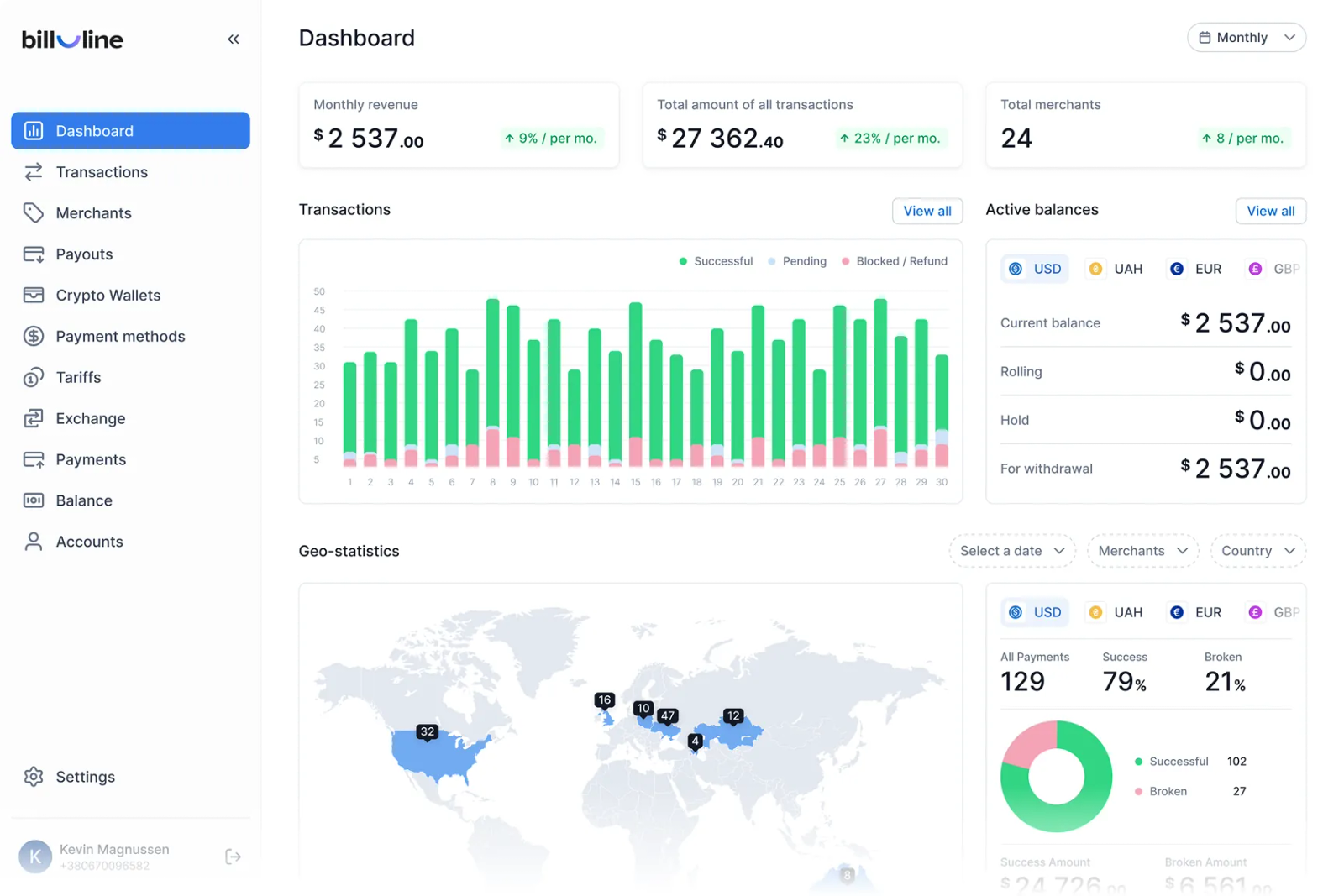
Five phases from discovery and architecture to build, validation, and support.
Explore this topicEngineering standards
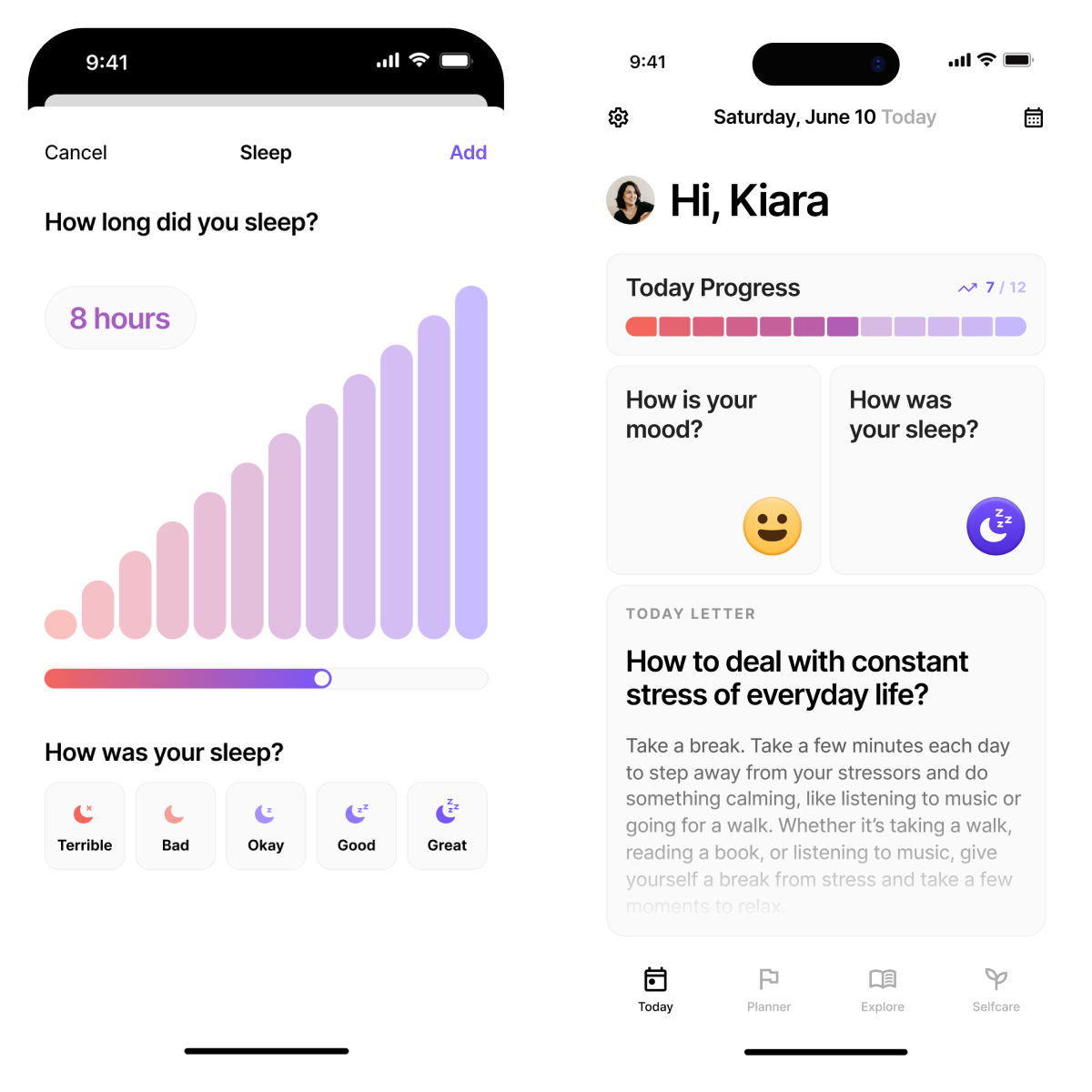
Practical implementation guidance, with clear standards and validation steps.
Explore this topicDelivery principles
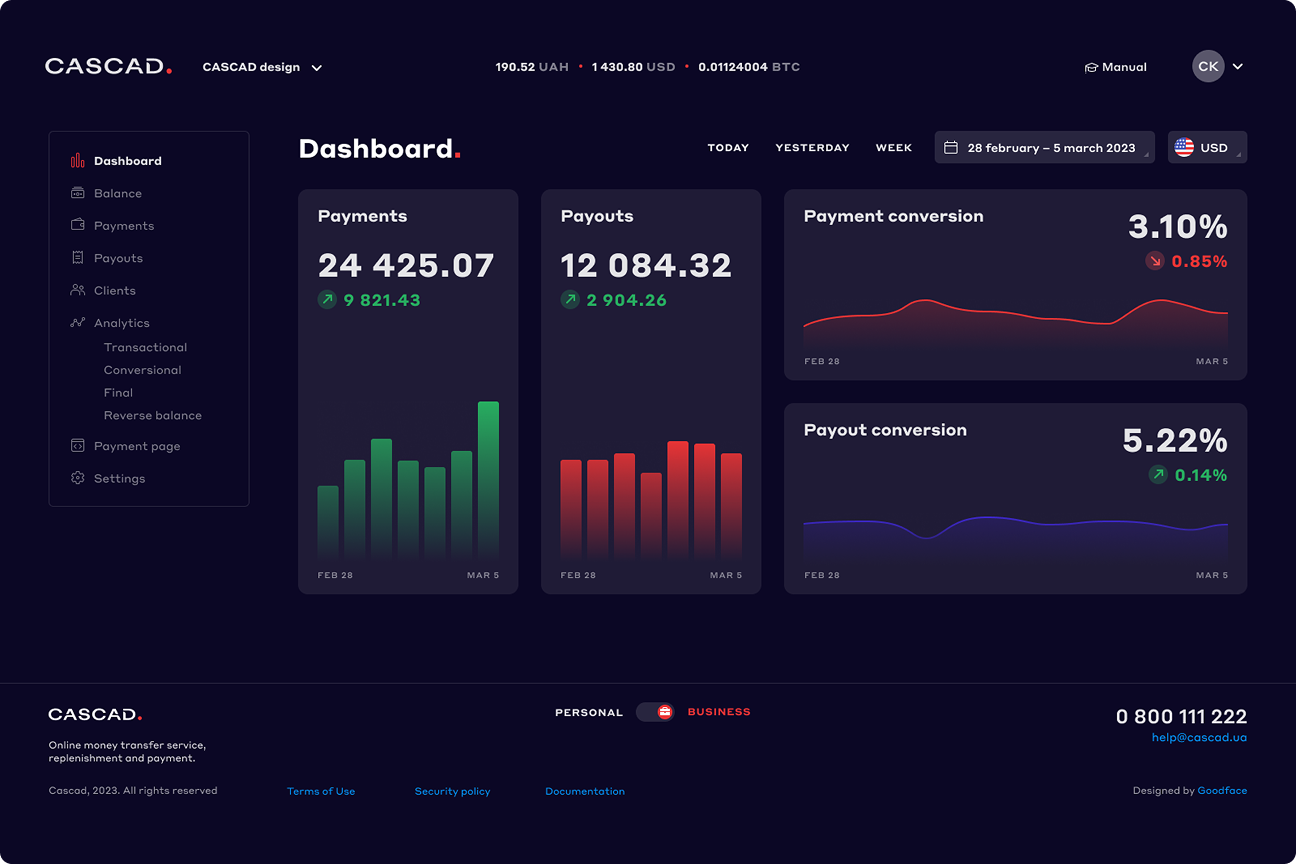
Connect technical decisions to performance, maintainability, and your business goals.
Explore this topicExplore the complete
framework.
Overview & key takeaways+
Section 01
Why We Built This Method+
Most digital agencies and software vendors speak endlessly about “quality.” Very few document how quality is systematically produced.
In web development and e-commerce engineering, quality is not a random byproduct of talented developers working late hours. Quality is the repeatable outcome of rigorous software engineering processes, strict performance budgets, automated static analysis, multi-device hardware QA, and transparent version control governance.
Engineering Philosophy
The Zest Engineering Method™ documents our operational blueprint. It outlines the exact standards, validation gates, and delivery stages that govern every white-label project executed for our agency partners across Australia, the UK, UAE, South Africa, and North America.
Section 02
The Five Phases+
Phase 1
Discover
We establish project parameters, security boundaries, and architectural requirements before authoring any code.
- Requirements Scoping: Audit Figma design tokens, PRDs, component states, and database models.
- Technical Goal Alignment: Establish speed budgets (sub-800ms LCP), Core Web Vitals thresholds, and WCAG 2.1 AA targets.
- Risk Assessment: Identify third-party app dependencies, legacy data migration bottlenecks, and API rate limits.
- Existing Architecture Audit: Analyze current Liquid templates, database queries, and 301 URL redirect maps.
- Business Objectives: Align technical delivery with agency partner gross margin goals (50–70%) and SLA commitments.
Phase 2
Architect
We design data schemas, technical SEO foundations, and system infrastructure prior to sprint execution.
- Technology Decisions: Lock in platform architecture (Shopify Liquid vs Hydrogen/Oxygen Next.js vs WordPress Gutenberg).
- Technical SEO Planning: Map canonical tag structures, dynamic XML sitemaps, and
robots.txt.liquidcrawl paths. - Core Web Vitals Planning: Plan resource prioritization (
fetchpriority="high"preloading, aspect-ratio containers). - Shopify Architecture: Design Liquid snippet trees (
{% render %}scope isolation), Checkout UI Extensions, and Shopify Functions. - WordPress Architecture: Plan custom Gutenberg blocks, decoupled PHP templates, and security rules.
- Scalability Planning: Design GraphQL Admin API queries to comply with 1000 point/sec cost buckets.
Phase 3
Build
Senior engineers construct clean, modular, zero-bloat code following performance-first standards.
- Git Workflow: Execute 3-tier branch isolation (
main,staging,feature/*) with conventional atomic commits. - Component Development: Build modular CSS/JS components without heavy utility frameworks or unminified libraries.
- Liquid Development: Enforce strict scope isolation using
{% render 'snippet' %}and Whitespace Control. - WordPress Development: Author bespoke Gutenberg blocks using native PHP/JS without heavy page builders.
- Responsive Implementation: Build fluid layouts scaling from 320px to 2560px with touch targets ≥ 44x44px.
- Performance-First Coding: Enforce total DOM node count < 1500 and maximum DOM depth < 32.
Phase 4
Validate
Dedicated QA engineers subject every staging build to rigorous multi-tier testing gates.
- Multi-Device QA: Test physical hardware viewports across iOS, Android, macOS, and Windows.
- Browser Testing: Validate rendering across Chrome, Safari, Firefox, and Edge engines.
- Accessibility Audit: Verify WCAG 2.1 AA compliance (keyboard focus rings, ARIA roles, 4.5:1 contrast ratio).
- Structured Data: Test connected
@graphJSON-LD schema using Google Rich Results and Schema.org tools. - Technical SEO Pass: Verify self-referential canonical tags, 301 URL redirect maps, and sitemap indexability.
- Core Web Vitals Gate: Benchmark sub-800ms LCP, 0.00 CLS, and INP < 150ms on mobile throttling.
- Security Review: Validate CSP headers, CORS rules, and 2FA administrative staff permissions.
Phase 5
Support
We execute zero-downtime launches, transfer full IP ownership, and provide post-launch retainers.
- Launch Monitoring: Execute off-peak DNS cutover, monitor Search Console 404 logs, and set up sub-5-min uptime pings.
- Documentation SOPs: Deliver unbranded administrator video walkthroughs (Loom) and complete technical docs.
- Bug Coverage: Provide 60 days of complimentary post-launch bug coverage to guarantee operational stability.
- Maintenance & SLAs: Transition into monthly retainers with guaranteed sub-4-hour emergency hotfix SLAs.
- Future Enhancements: Conduct quarterly app audits, theme updates, and performance tuning reviews.
Section 03
Engineering Standards+
Coding Standards
Native W3C valid HTML5, modular ES6+ JavaScript without jQuery overhead, and clean CSS variables following semantic naming tokens.
Git Workflow
3-tier branch isolation (main, staging, feature/*), squashed PR merges, conventional atomic commit messages, and signed commits.
Performance Budgets
Total page payload < 1.2 MB, CSS bundle < 50 KB gzipped, blocking JS execution < 100 KB gzipped, initial HTTP requests < 35.
Accessibility (WCAG 2.1 AA)
Visible :focus-visible indicator rings, screen-reader ARIA landmarks, full keyboard tab navigation, and 4.5:1 text color contrast ratio.
Security Hardening
Content Security Policy (CSP) headers, CORS restrictions, sandboxed Customer Events Web Pixels, and 100% 2FA staff admin compliance.
Structured Data
Connected @graph JSON-LD schema arrays embedding Organization, WebSite, Product, Offer, BreadcrumbList, and FAQPage entities.
Technical SEO
Self-referential canonical tags, customized robots.txt.liquid disallowing tag search loops, XML sitemaps, and clean URL taxonomy.
Documentation SOPs
Unbranded video walkthroughs (Loom), Notion technical documentation, clean inline Liquid/PHP comments, and Git commit histories.
Quality Assurance (QA)
4-tier pre-flight QA signoff gate: automated static analysis, hardware matrix testing, Core Web Vitals audit, and 301 URL verification.
Browser Compatibility
Cross-browser engine pass across Chrome, Safari, Firefox, and Edge on physical iOS, Android, macOS, and Windows devices.
Responsive Design
Fluid typography (clamp()), flexbox/grid containers scaling from 320px to 2560px, zero horizontal overflow, touch targets ≥ 44x44px.
Image Optimization
Native Shopify CDN image filter optimization (image_url), WebP/AVIF formatting, explicit width/height attributes, preloaded hero LCP images.
Section 04
Delivery Principles+
1. Build for Maintainability
We write self-documenting code with clear component boundaries. Any senior developer can inspect our codebase years after launch and immediately understand its structure.
2. Measure Performance Quantitatively
We do not rely on subjective opinions regarding page speed. We measure Largest Contentful Paint (LCP), Cumulative Layout Shift (CLS), and Interaction to Next Paint (INP) using Lighthouse CLI and RUM APIs.
3. Proactively Eliminate Technical Debt
We refuse to cut corners during sprint construction. We deprecate legacy Liquid tags ({% include %}), avoid unverified app plugins, and keep DOM node counts strictly under 1500 nodes.
4. Communicate Asynchronously & Transparently
We maintain absolute transparency inside your Jira, ClickUp, Monday, or Slack workspace using your agency email. We push daily async updates and weekly video SOPs without demanding status meetings.
5. Validate Before Staging Handoff
Zero staging links leave our lab without passing our 4-tier QA protocol. We verify multi-device responsiveness, payment sandboxes, and URL redirects before your team or client reviews the build.
6. Document Decisions Explicitly
We record technical decisions, API choices, schema structures, and custom Liquid logic in clean technical documentation, ensuring your team retains complete operational control.
Section 05
Pre-Launch Quality Checklist+
Below is the technical QA checklist executed by our engineering team prior to every staging handoff and DNS cutover:
HTML5 Validation Zero unclosed tags or W3C HTML validation errors.
JSON-LD Validation
Connected @graph schema validated with 0 errors/warnings.
Lighthouse Review PageSpeed Mobile score ≥ 90 across all key page templates.
Core Web Vitals Sub-800ms LCP, CLS = 0.00, and INP < 150ms verified.
WCAG 2.1 AA Audit 0 critical axe DevTools accessibility violations.
Image Optimization
WebP/AVIF images with explicit width/height attributes.
Internal Links Zero broken links or unanchored internal navigation URLs.
Redirect Validation 100% legacy 301 URL redirect map pass rate verified.
Mobile Hardware Test Physical iOS and Android device viewport validation.
Structured Data Nest Merchant Center compliant Product & Offer entities.
Canonical Alignment 100% self-referential canonical tags to root product URLs.
Metadata Audit Unique `` tags and meta descriptions on all templates.
Section 06
No matching topics. Try a different search.
Knowledge that makes
a practical difference.
Code-level thinking
Understand the technical cause behind the symptom, then make a targeted change.
Performance by design
Apply Core Web Vitals, clean architecture, and sensible performance budgets.
Search-ready foundations
Treat crawlability, structured data, and indexing as part of the implementation.
Clear validation
Use repeatable checks to verify that the work meets the agreed standard.
Complete ownership
Maintainable code, useful documentation, and transparent delivery.
A practical next step
Turn findings into a prioritized roadmap, checklist, or engineering brief.
Our working standardSince 2012Your agency owns the relationship.
We take ownership of the technical delivery.
Important numbers
behind our engineering
years of engineering
since 2012
Shopify stores worked on
Delivered.
Measured. ↗
13 verified reviews
technical
specialists
Let’s turn knowledge
into your next advantage.
Let’s talk about
what you need.
Speak directly with a senior technical lead. NDA available. No sales pressure.
Speak directly with a senior technical lead. To reach the team now, email us or book a call.
FAQ
What is the Zest Engineering Method™?
The Zest Engineering Method™ is a 5-stage proprietary technical delivery methodology (Discover → Architect → Build → Validate → Support) developed by Zest Web Solutions to guarantee zero-bug launches, sub-800ms speed performance, and transparent white-label execution for digital agencies.
How does Zest enforce code quality and version control during development?
We enforce strict 3-tier Git branch isolation (main, staging, feature/*), unbranded conventional commits, mandatory 2-engineer peer code reviews, and automated linting via Theme Check CLI, ESLint, and Stylelint.
What quality assurance and Core Web Vitals benchmarks must every project pass?
Every build must pass a 4-tier QA protocol: physical hardware cross-device testing (iOS, Android, macOS, Windows), cross-browser validation (Chrome, Safari, Firefox, Edge), sub-800ms LCP, 0.00 CLS, INP < 150ms, WCAG 2.1 AA accessibility signoff, and 100% 301 URL redirect verification.